

The Sustainable Learning Story
The Status Quo Was Failing
Education systems were designed for a stable world that no longer exists. Standardized pathways, linear progression, and top-down control cannot keep pace with disruption driven by climate change, displacement, technological acceleration, and deepening inequality. These pressures are not temporary shocks—they are the conditions of learning today. As a result, educators are overwhelmed, learners are underserved, and reforms focused on efficiency and compliance repeatedly fall short.
Creating the Sustainable Learning Framework
The Sustainable Learning Framework emerged from more than three decades of work in places where learning had to function despite instability, notably refugee education. The framework evolved from practice and with practitioners as they actually adapted in the midst of failing systems—they reflected together, shared knowledge, built relationships across boundaries—learning their way forward in real-time. Over years of practice, these patterns revealed a different logic for learning—one grounded in adaptability, purpose, and collective intelligence.
Why It Works
The Sustainable Learning Framework treats education as a living ecosystem, not a delivery system. It prioritizes learning capacity over compliance, relationships over transactions, and purpose over procedure. The framework centers educators as designers and leaders of learning, aligns teaching with real-world relevance, distributes agency across communities, and insists that technology serve human and civic goals. Its principles work together to help systems remain resilient, equitable, and capable of continuous learning under pressure.
Evidence Supporting the Framework
The Sustainable Learning Framework rests on an integrative foundation of theories that reconceive learning as adaptive, relational, and regenerative. It’s a living process responsive to disruption and complexity. The framework is informed by well-established research showing that learning in complex environments is emergent, relational, and adaptive. Decades of evidence from complexity, organizational learning, adult education, systems thinking, and network theory offer guidance for learning in a world where disruption is the norm.


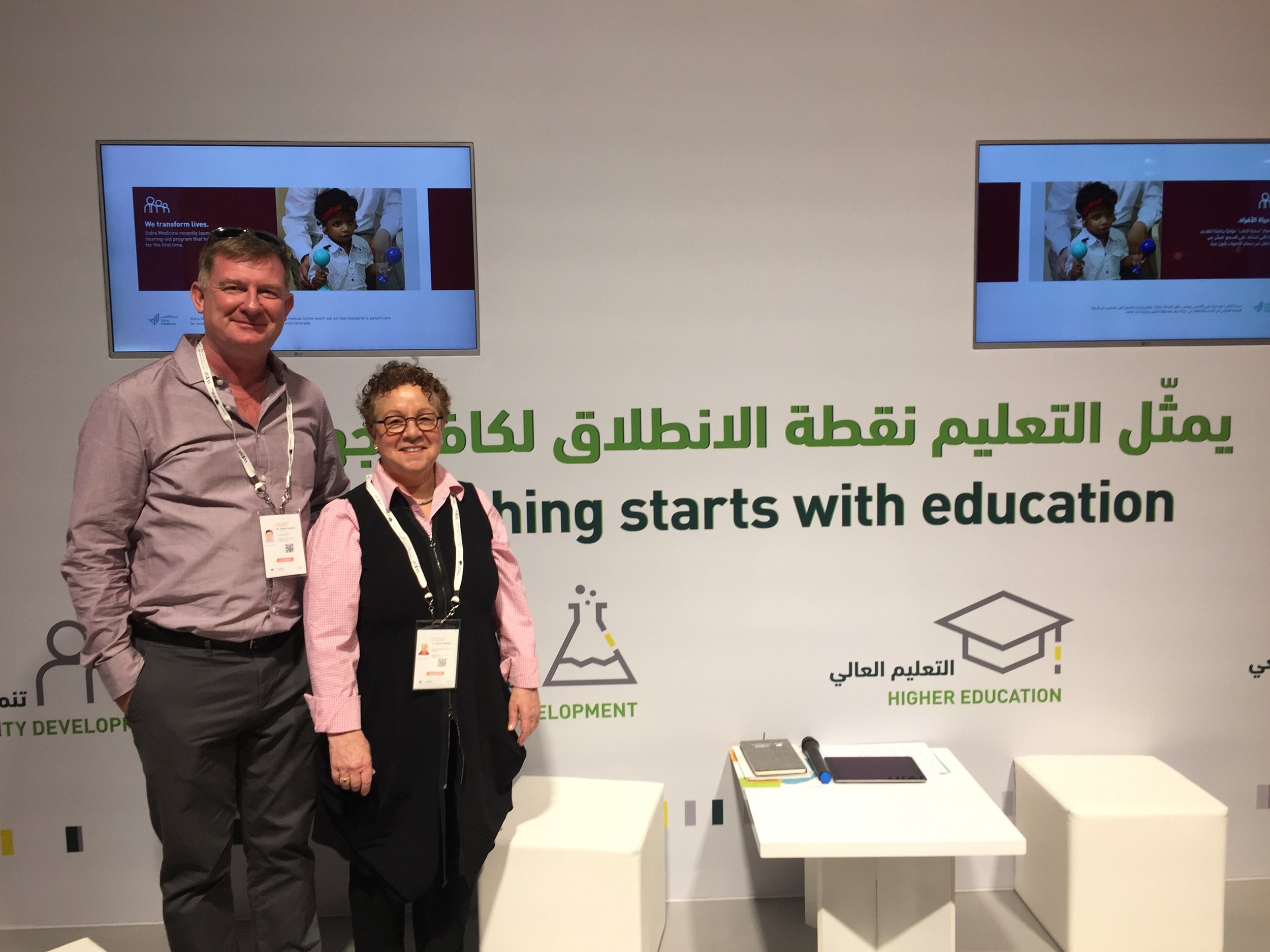




Connect with Diana on LinkedIn
About Diana
Dr. Diana D. Woolis, Learning Agenda.org, is equal part practitioner, researcher, and learning theorist. Her experience led her to construct the Sustainable Learning Framework in 2017, an evidence-based set of practices that ensures that learners and education systems are resilient, adaptive, and inclusive. She launched LearningAgenda.org in 2023 to advance the application of the Sustainable Learning Framework by providing resources and support.
She was the founding Director of the Center for Learning in Practice at the Carey Institute for Global Good and led the development of the Refugee Educator Academy. Diana co-founded Knowledge in the Public Interest, a social learning design consultancy. She has led education, government, and both non- and for-profit organizations. An innovator in ed tech, Diana was the lead architect of the only platform designed specifically for faculty professional development, which is now owned and used by Lumen Learning.
She has authored numerous articles, including Making the Case for Sustainable Learning: Action for Teachers of Teachers of Refugees, book chapters, Education Leadership for a Networked World and is co-author of the book Pedagogy Matters: Taking College Teaching Seriously.
She is a globally recognized learning strategy, design, and implementation expert focused on underserved and marginalized populations in formal and non-formal settings.
Publications and Projects
Center for Learning in Practice
Embracing emergent change and sustainable learning in the EiD ecosystem
Porticus
Education Leadership for a Networked World
Communities of Practice – Creating Learning Environments for Educators, Volume 2
Knowledge Management for Development Journal
Sustainable Learning in Practice: Refugee Educator Report
Carey Institute
Pedagogical Patterning: Discovering the Pattern of Development Educators
Global Skills for College Competition
AERA
In Search of a New Developmental-Education Pedagogy
Change: The Magazine of Higher Learning
Policy & Practice, vol. 61, no. 4, 2003, pp. 22-.
Learning Our Way Through Welfare Reform.
Policy & Practice of Public Human Services, vol. 59, no. 2, 2001, pp. 28-.
Policy & Practice of Public Human Services, vol. 58, no. 2, 2000, pp. 33-.
Family Works: Substance Abuse Treatment and Welfare Reform
Public welfare (Washington), 1998-01, Vol 56 (1), p.24-31
Learning and New York City Civil Service Reform
Journal of Adult Learning
Actors and factors: Virtual communities for social innovation
Electronic Journal of Knowledge Management
BEGIN Education: The Challenge of Partnering Welfare and Literacy.
Literacy Harvest, v2 n1 p31-32 Win 1993
Speaking Engagements
Digital Fluency in Emergency Education Contexts
Reimagining Education Podcast - Season 1, Episode 1
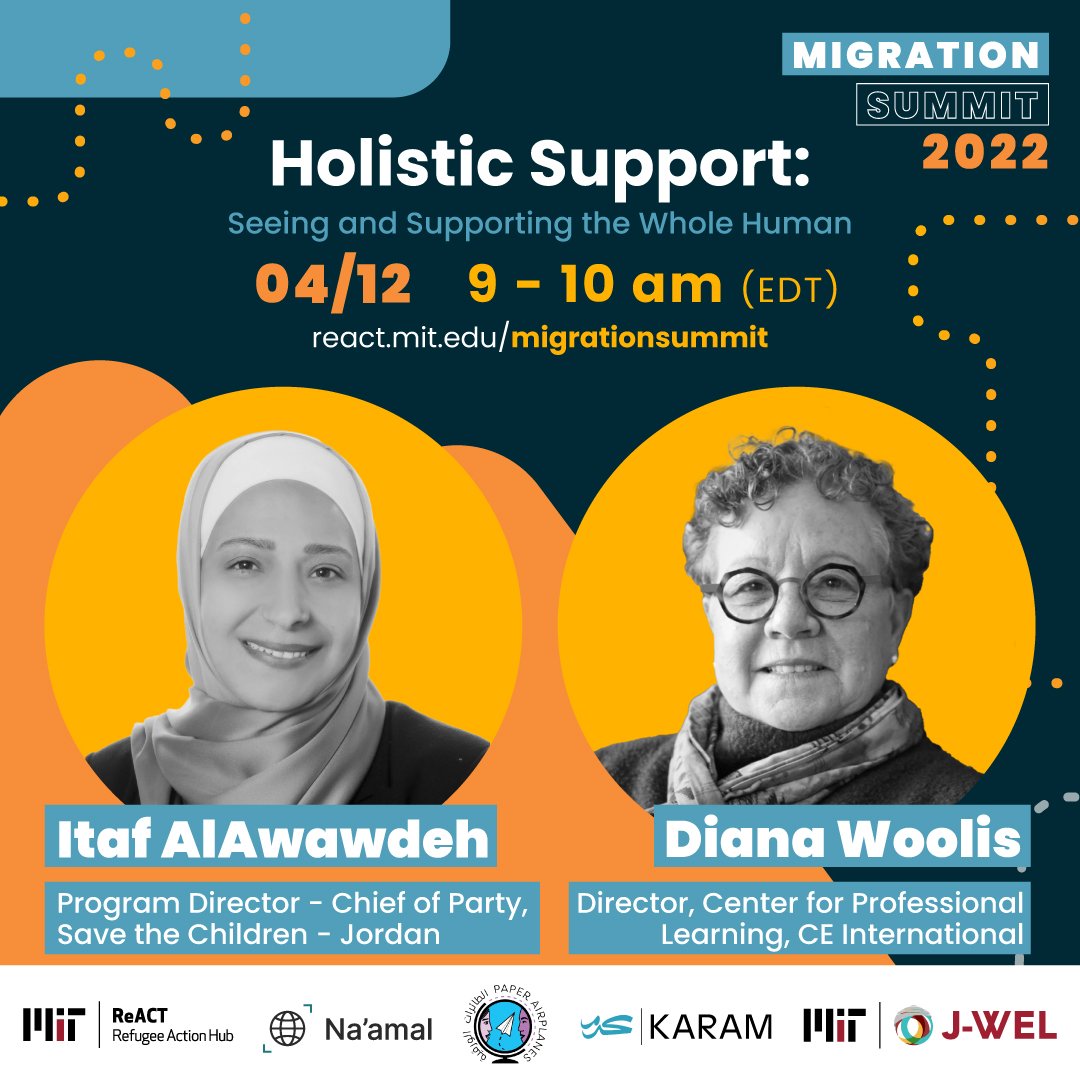
Holistic Support: Seeing and Supporting the Whole Human
Migration Summit
Overview of EdTech Challenges and Opportunities
No Lost Generation, EduTech Summit, 2017, Amman, Jordan
Salzburg Global Seminar, Keynote Speaker
Salzburg Global
INEE Background Paper on Distance Education Emergencies
(Co-Chair)
Inclusive Education and Early Childhood Community of Practice Workshop
Global Campaign for Education United States

Let’s Think It Through — Together
In the middle of complex, high-stakes work? Let's have a conversation and explore solutions through a Sustainable Learning lens.